One codebase. Genuinely native on both stores.
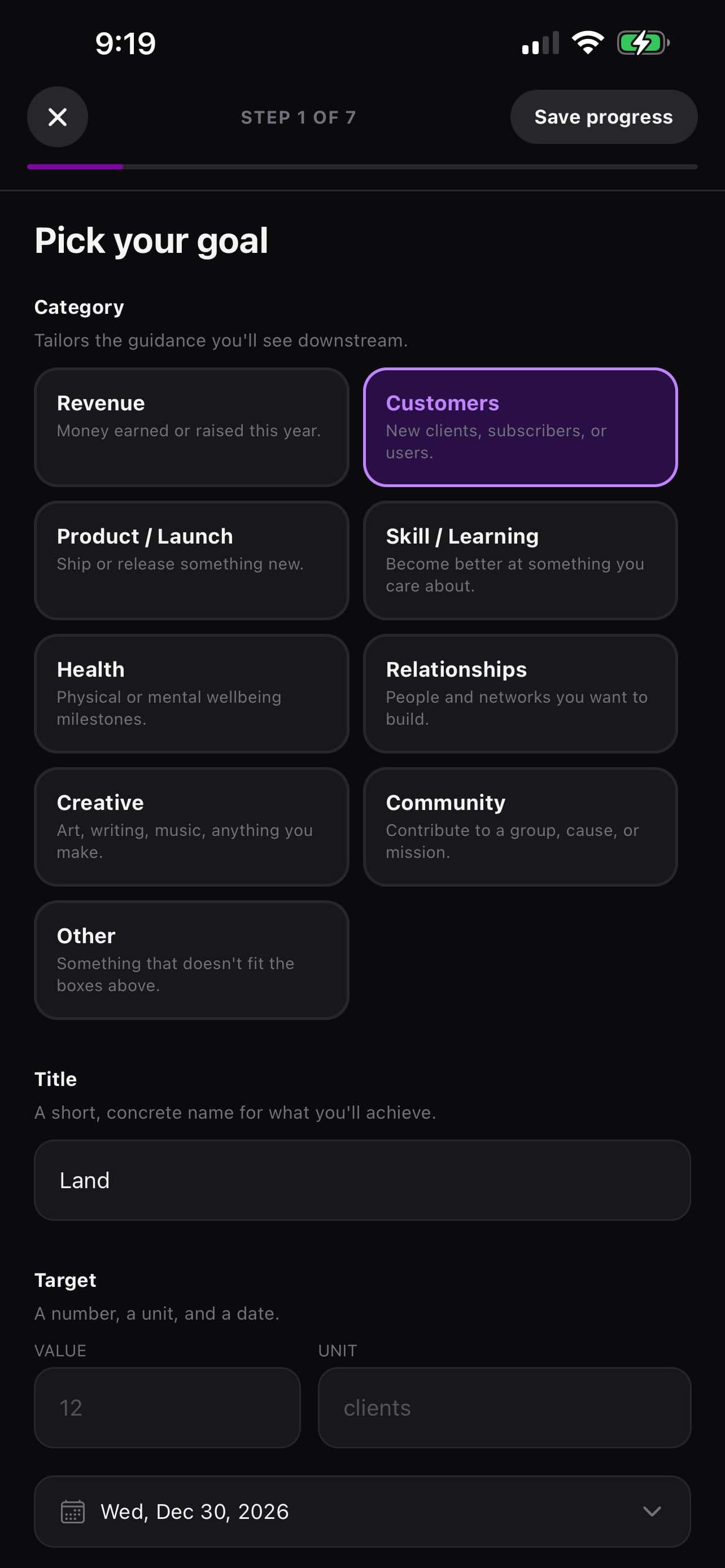
React Native and Expo, with native modules wherever the product demands them. We've shipped membership apps with chat, video meetings, and live streaming to the App Store and Google Play — plus tablet apps running on-site hardware.
You're probably here because…
These are the situations teams are usually in when they come to us about mobile apps. If more than one lands, we should talk.
- You need iOS and Android but can't fund two native teams.
- Your web app works, and users keep asking why there isn't an app.
- The product needs hardware — camera, scanner, printer, or true offline use.
- An app build has stalled, or keeps getting rejected at review.
- You need push notifications, deep links, and real-time features that actually work.
The work, spelled out
No mystery line items. This is what we deliver and what you get to keep.
iOS & Android from one codebase
One team, one codebase, both stores — with feature parity by default instead of by constant effort.
Native module integration
When the product needs the device — hardware SDKs, background tasks, platform APIs — we drop to native and keep going.
Offline-first & real-time
Apps that keep working on bad connections and sync cleanly when they come back, plus live data where it matters.
Push notifications & deep linking
Notifications that route to the right screen, and links that open in the app instead of bouncing to a browser.
Store deployment & releases
App Store and Play Store submission, review, staged rollout, and the release cadence after launch.
Tablet & kiosk apps
Fixed-purpose apps for on-site hardware — check-in stations, scanners, and label printers included.
How this looks in practice
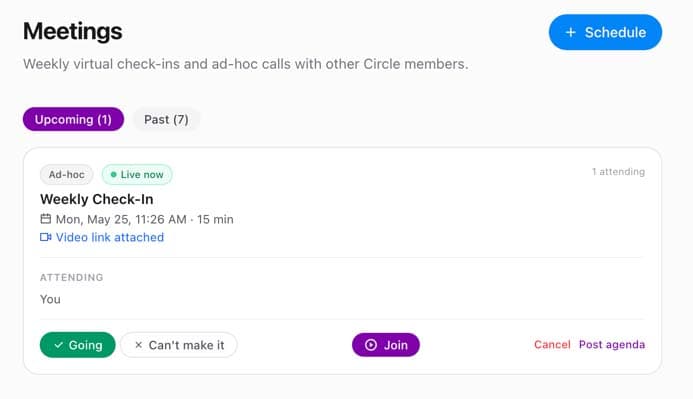
Chat, video meetings, and live streaming — on both platforms
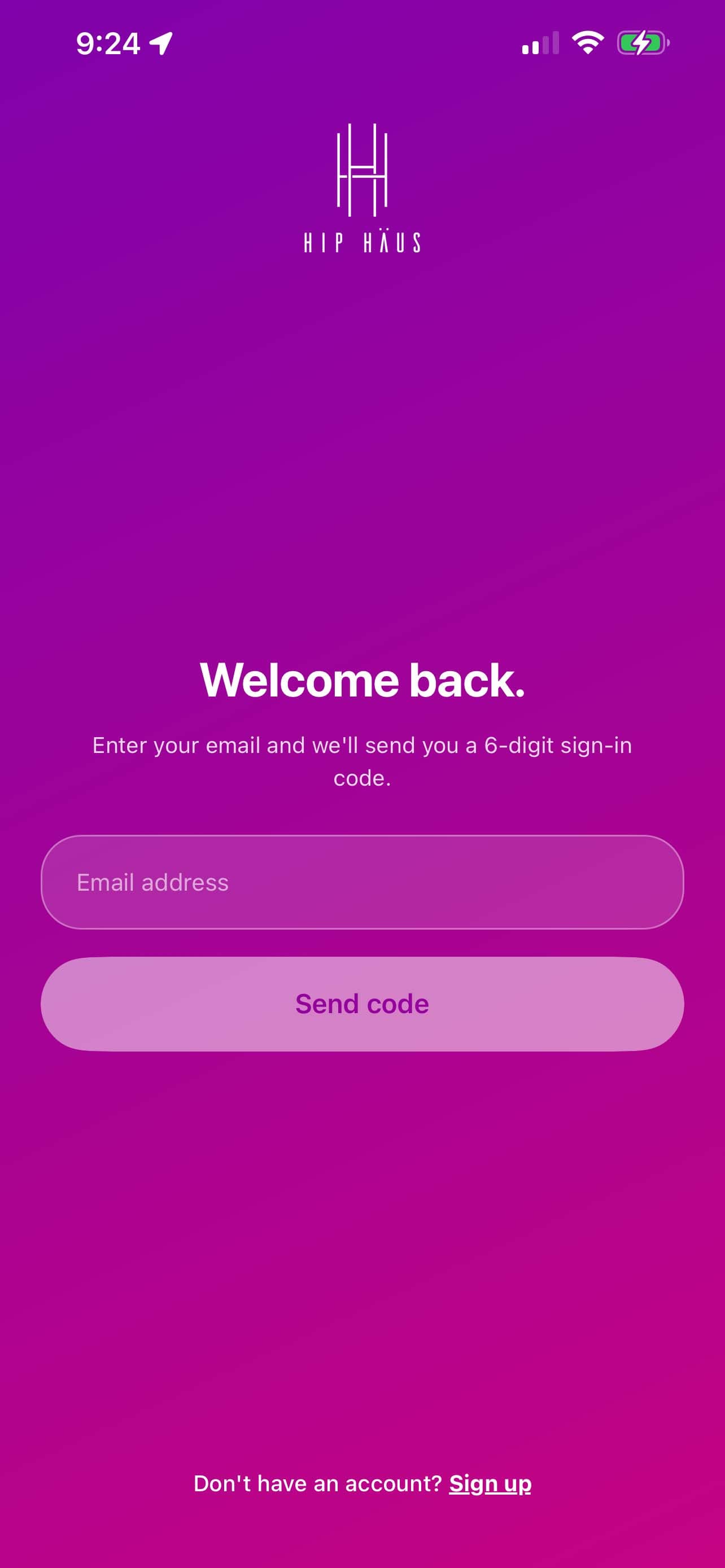
Hip Haus needed a genuine community space, not a login screen. Real-time chat, video meetings, and live-streamed seminars ship identically on iOS and Android from one codebase, sharing the exact API and database as the web app. A managed real-time media service handles the streaming, so they get broadcast-grade reliability without running streaming infrastructure.
- Real-time chat, video meetings, and live events
- Identical on iOS, Android, and the web
- Shares one API, database, and media store
- No feature drift between platforms
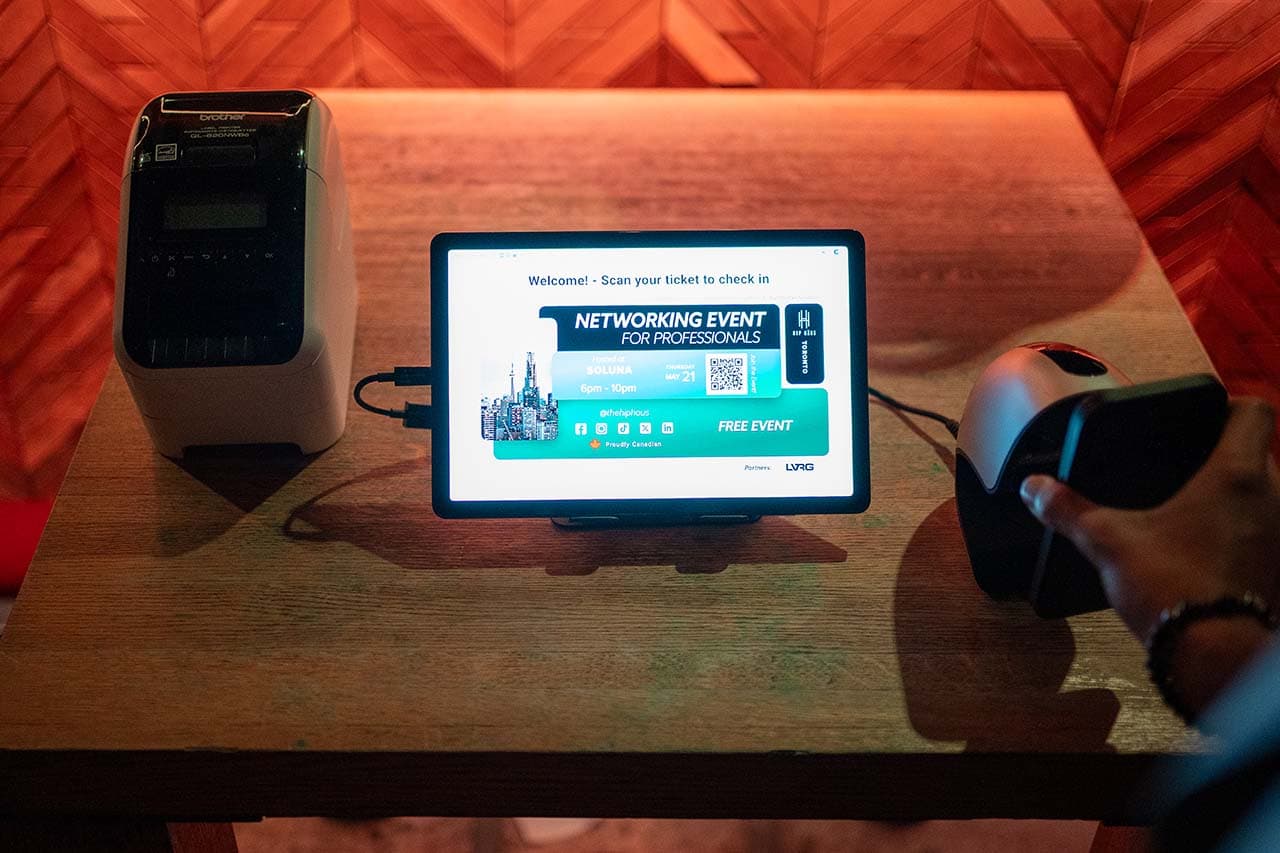
When the device is part of the product
The Hip Haus check-in app runs on a tablet at the door: it scans a QR code, checks the guest in against events synced from Eventbrite and Meetup, and prints a badge through a native label-printer SDK. Cross-platform doesn't mean giving up the device — it means writing native code only where you actually need it.
- QR scanning and automatic badge printing
- Native label-printer SDK wrapped for the app
- Guest lists synced from third-party event platforms
- Paired with a web dashboard for live analytics
What we do differently here
The choices that decide whether this kind of work holds up a year later.
- 1
Decide cross-platform honestly
React Native fits most products. When yours needs something it can't give, we say so before you've paid for a codebase.
- 2
Share the API with the web
One backend behind web and mobile. Three products' worth of features, one set of business logic to maintain.
- 3
Test on real devices, early
Simulators hide the problems that matter — performance, permissions, notifications, and the hardware itself.
- 4
Own the submission
We handle store listings, review feedback, and rollout, so a rejection is our problem to solve, not yours.
What we build it with
Every tool here earned its place. The point isn't the logos — it's the reasoning behind them.
 React Native
One codebase, two stores, native performance — without funding two platform teams.
 Expo
ExpoBuilds, over-the-air updates, and store submission handled, so releases stay routine.
 TypeScript
Shared types between the app and its API mean the client can't drift from the server unnoticed.
 Next.js
The same application that serves the web product serves the mobile API — one backend, not three.
 Prisma
One typed data layer behind every platform.
 PostgreSQL
A single source of truth for members, content, and events across web and mobile.
Member-uploaded media stored and served cheaply, away from the application servers.
Managed real-time video and streaming — reliability we'd never match by running it ourselves.
Native label-printer SDK, for check-in apps that print a badge in the time it takes to scan a code.
Work we've shipped
The same capability, already delivered for someone else.
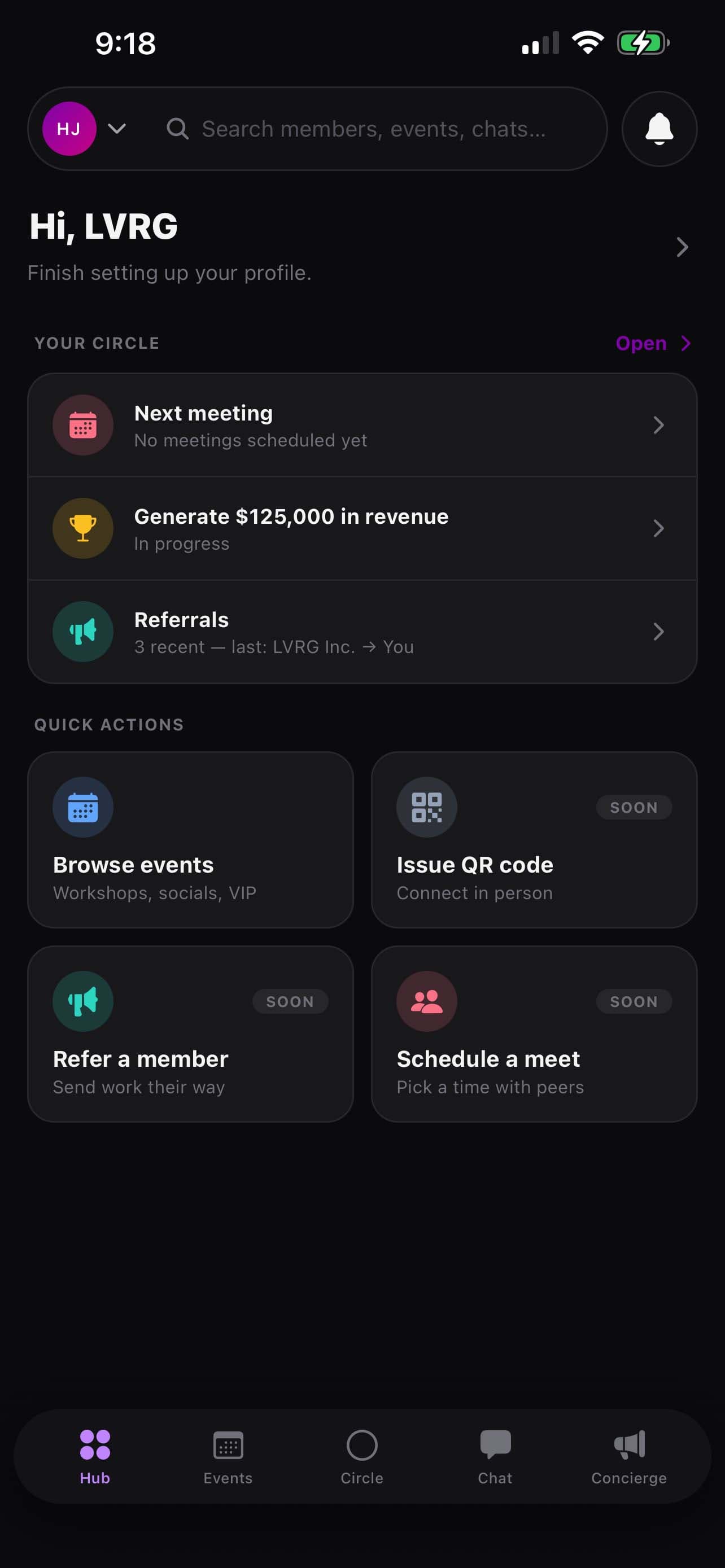
Hip Haus Membership App
We built Hip Haus a single membership product that runs everywhere its community does. A web app and native iOS and Android apps with chat, video meetings, and live-streamed events built in.
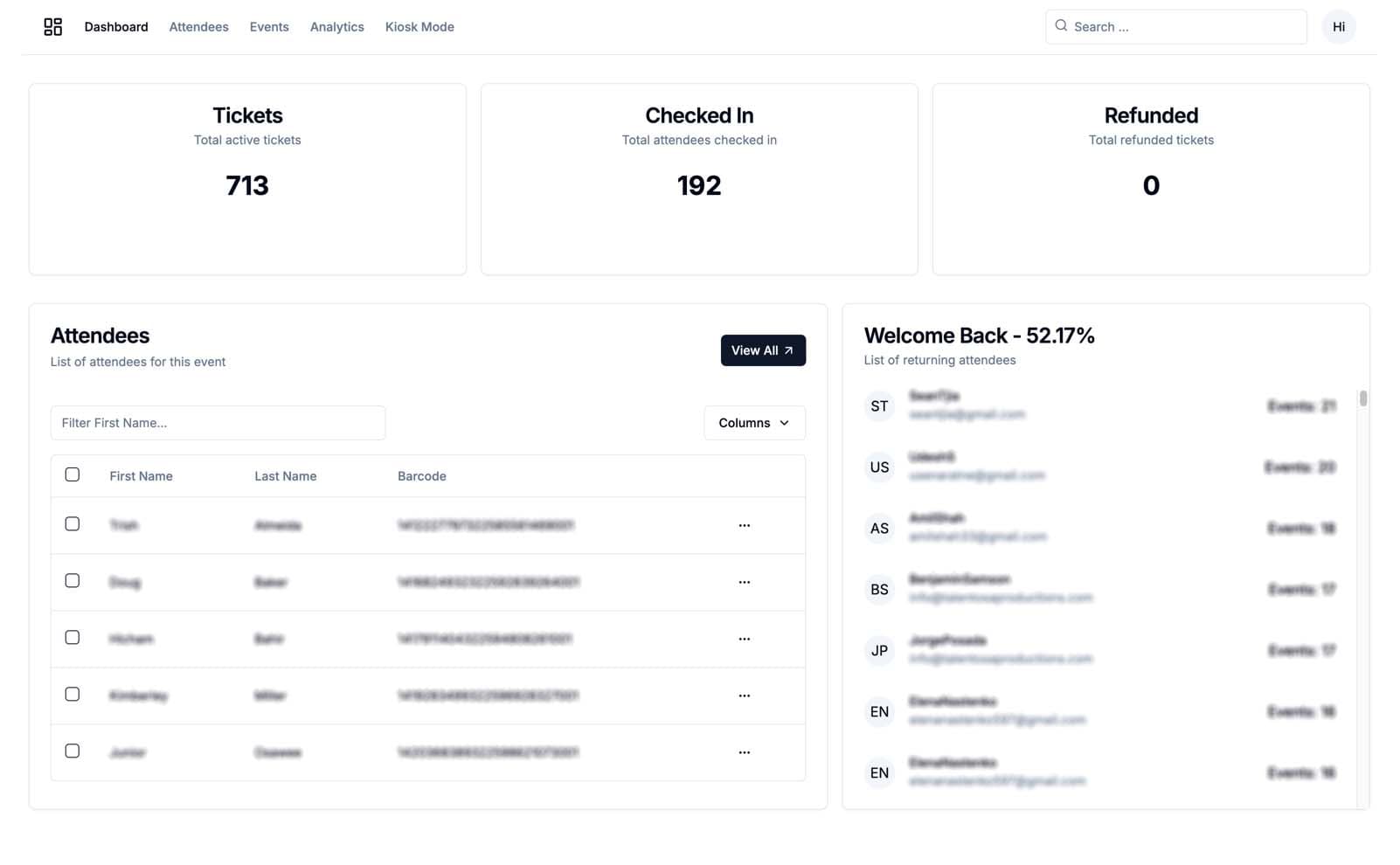
Hip Haus Check-in App
We built Hip Haus a two-part check-in system. A web app and a native Android scanner that makes event entry a single QR scan and turns every guest into real-time business intelligence.
Three ways we take on the work
Which one fits depends on the project — we'll recommend a shape after a discovery conversation, not before.
Project-based
A defined scope, an agreed timeline, and a fixed quote. We scope it after discovery, so the number means something.
Best forA first release to both stores.
Ongoing retainer
A recurring block of our time each month for continuous work — improvements, support, and whatever the roadmap needs next.
Best forOngoing releases, OS updates, and store management.
Time & materials
Billed for the time the work actually takes. Best when the scope will genuinely move as we learn.
Best forFeature work alongside an in-house team.
Mobile Apps, specifically
The questions teams ask us most about this kind of work.
The rest of what we do
Most projects touch more than one of these. We cover the whole build.
Taking your product mobile?
We'll scope it for both stores and one codebase.